New subject.
Still punk rock.
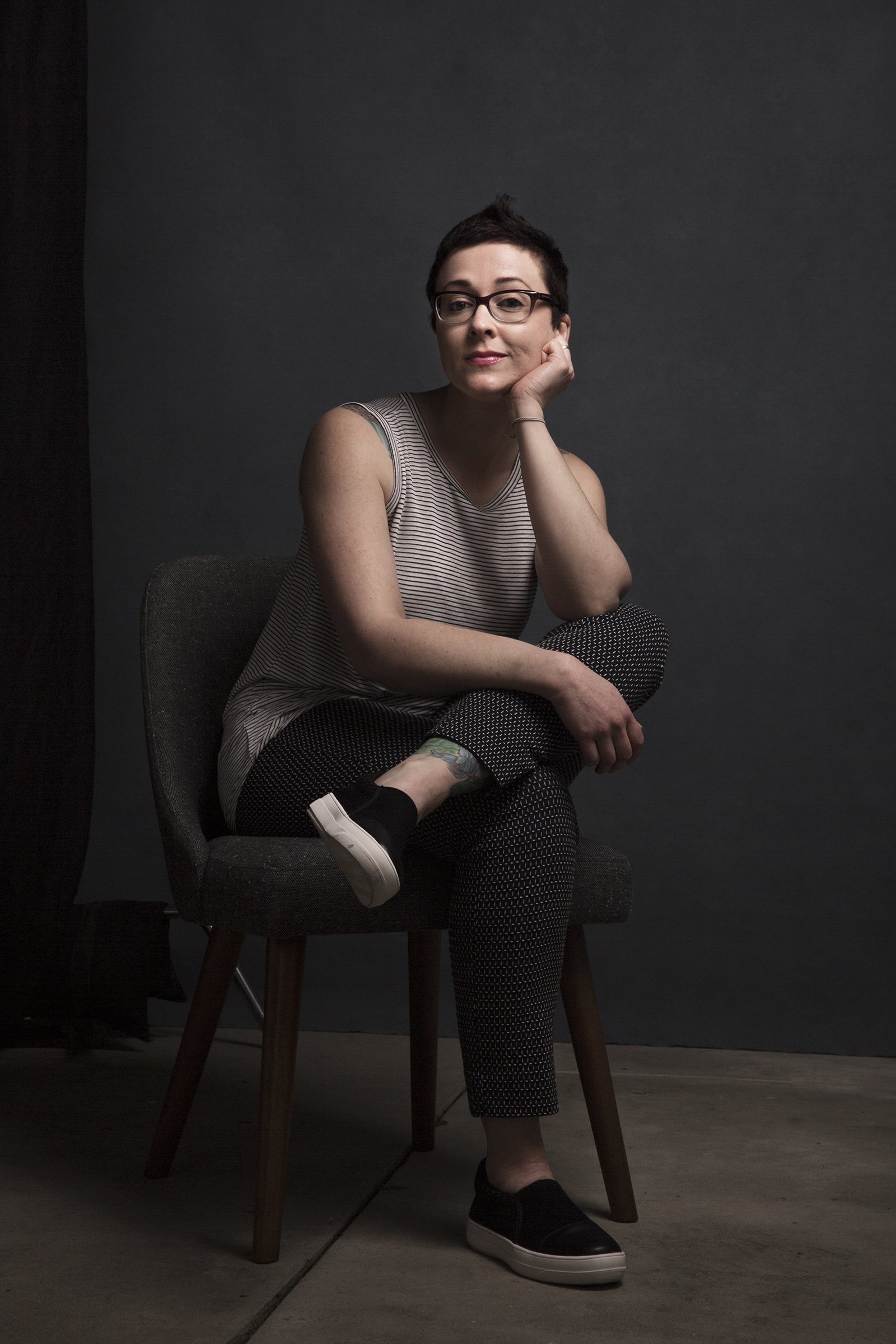
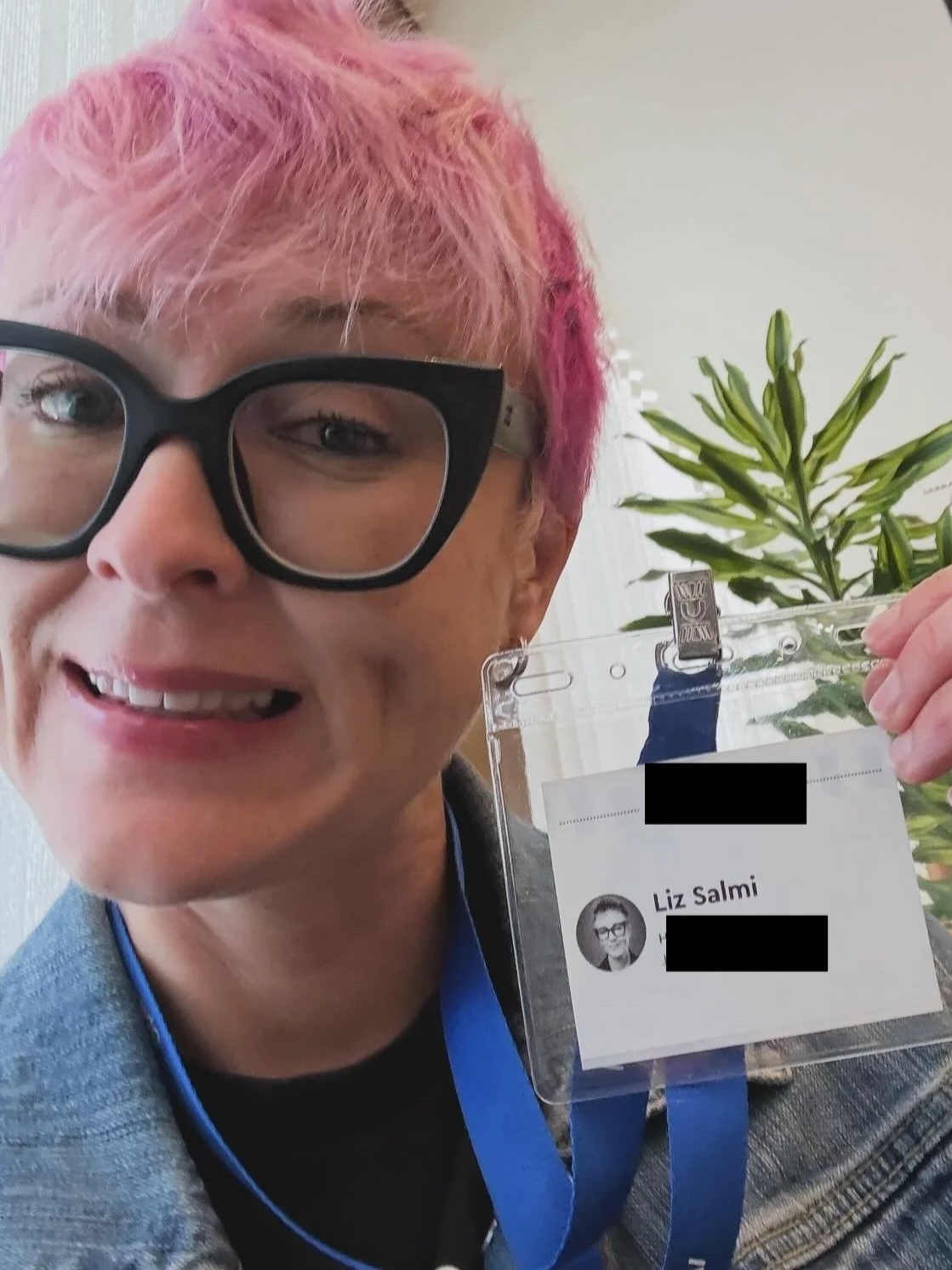
I’m Liz Salmi—a former punk rock drummer, turned patient advocate, turned research communicator. Now I’m headed to UC Davis to major in Cognitive Science and formalize my education.
For 19 years, I’ve written about my first-person experience living with a progressive neurological disease, patient advocacy, and research I’ve done in partnership with other people. Now I’ve returned to school to better understand the foundations of research and neuroscience within the context of medical humanities.
My favorite publications
-
US Policy Requires Immediate Release of Records to Patients
The BMJ, 2021
A major shift in patient power, and hospitals need to get ready
The 21st Century Cures Act gave U.S. patients free, immediate access to their complete health records online—a historic win for transparency after 25 years of advocacy. But the change came with real concerns, from learning bad news before talking to your doctor to data privacy risks, and hospitals must decide whether to embrace this shift or ignore it.
-
Perspectives of Patients About Immediate Access to Test Results Through an Online Patient Portal
JAMA Network Open, 2023
Patients overwhelmingly want immediate access to test results… even abnormal ones
A survey of 8,000+ patients at U.S. medical centers found that 96% prefer receiving test results instantly through online portals, even before their doctor has reviewed them. The findings challenge concerns about early disclosure causing harm, though some patients reported increased worry when results were abnormal.
-
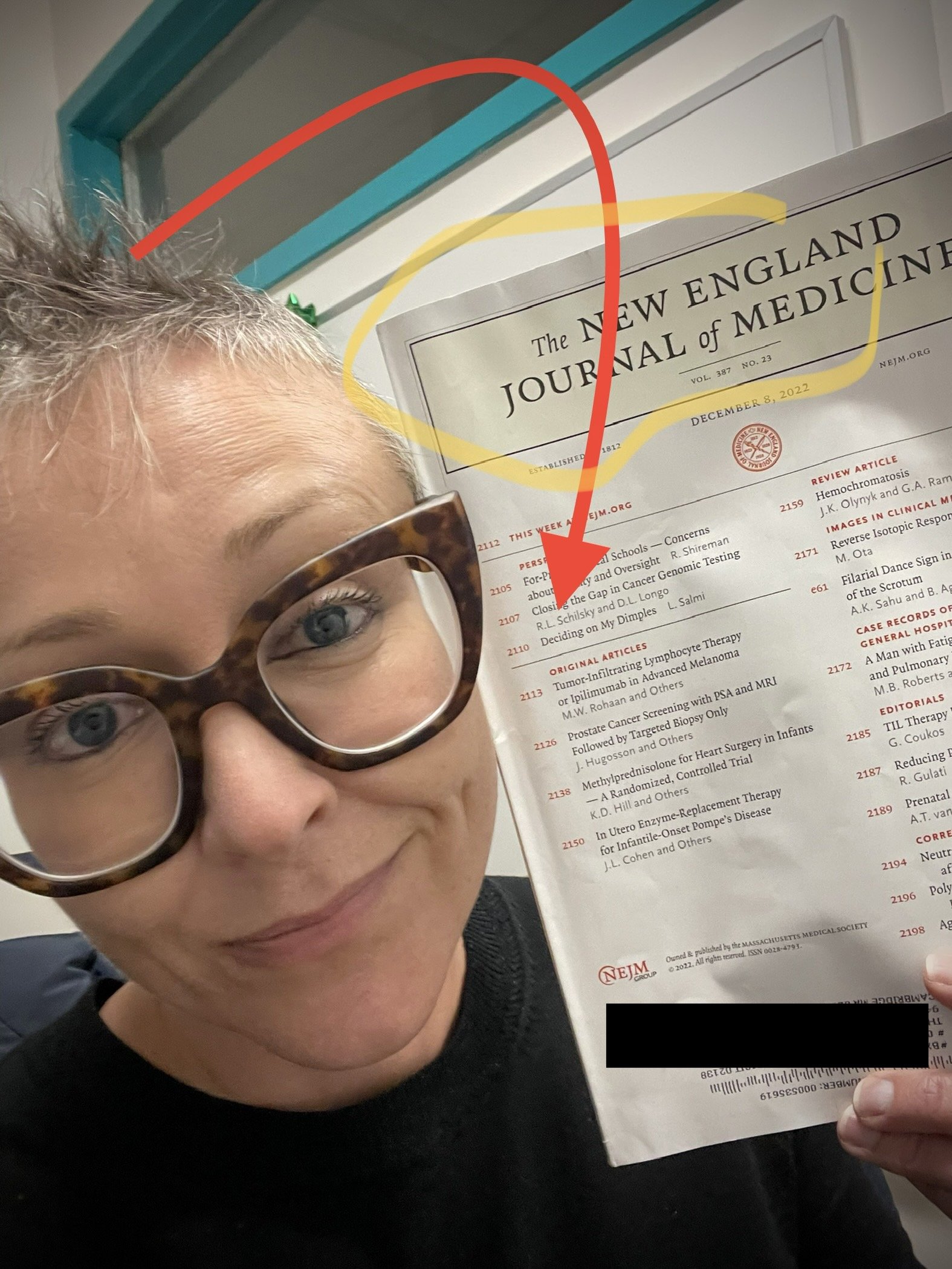
Deciding on My Dimples
New England Journal of Medicine, 2022
During an awake craniotomy for resecting part of my brain tumor, I faced a high-stakes decision I needed to make in collaboration with my neurosurgeon
“Later, awakening with bleary eyes in the neurological intensive care unit, I asked the nursing staff why my muscles were sore. I felt like I’d run a marathon.”
-
A Proof-of-Concept Study for Patient Use of Open Notes with Large Language Models
JAMIA Open, 2025
Can AI help patients understand their medical notes?Researchers tested whether ChatGPT, Claude, and Google Gemini could accurately explain clinical notes to patients using patient-written questions. ChatGPT with personalized prompts performed best, suggesting AI could become a powerful tool for helping patients understand their own health information.
My patient advocate blog
Before school, I did patient advocacy and began my journey toward research. My blog was here for all of it.
I use every tool at my disposal to make sense of the messiness of living with brain cancer. I don’t recommend this approach for everyone. My hope is that models like ChatGPT Health can help regular people become more curious about their health, learn to ask informed questions, and feel more prepared for their medical visits.
As someone who has spent nearly two decades experimenting with digital health tools—personal health records, tethered portals, wearables, symptom trackers, oncology apps, research dashboards—I was excited to see what Health GPT could actually do for me.
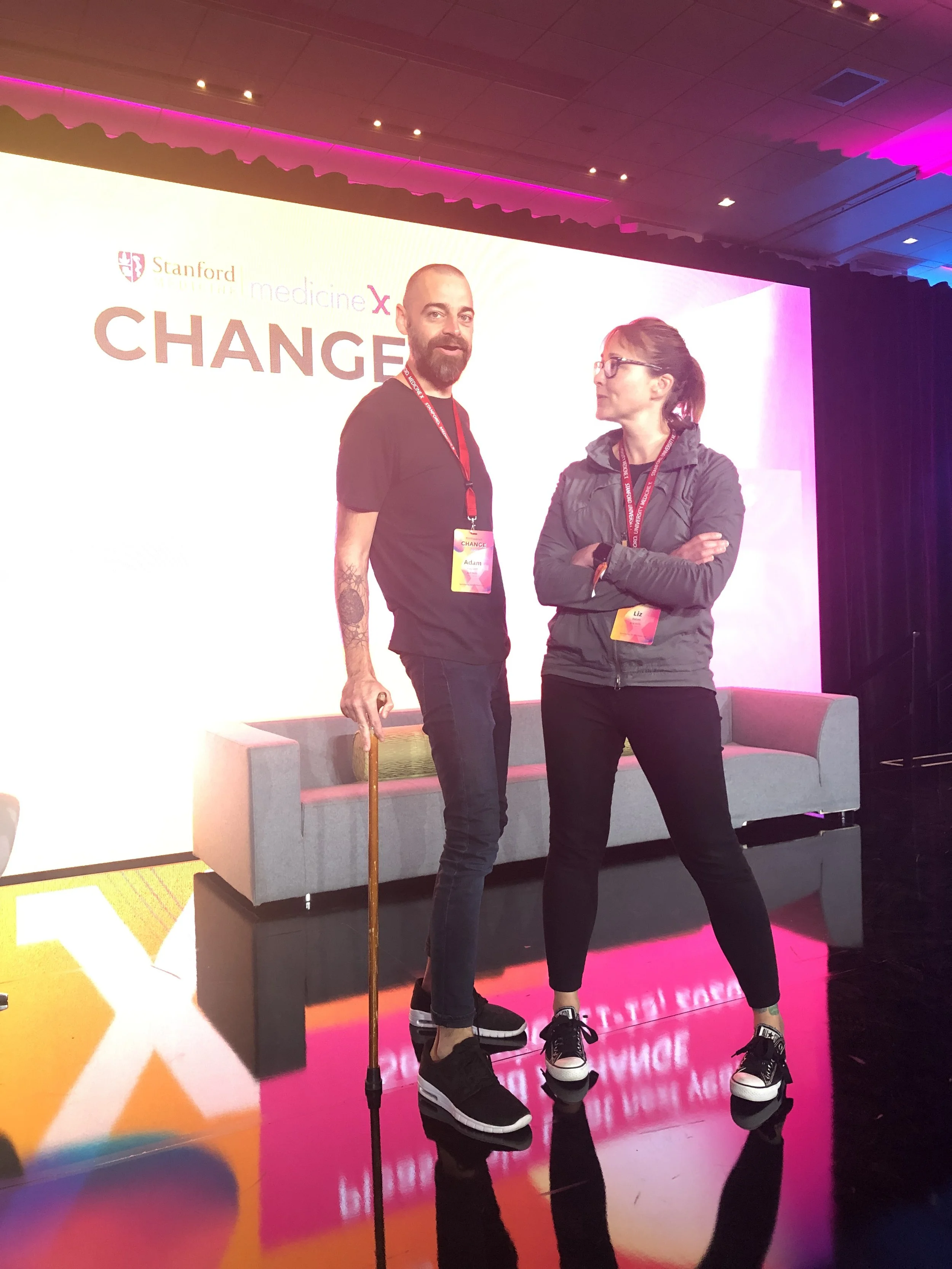
If you are looking for an obituary, official words, or a journalistic remembrance, I’ll point you elsewhere. What you’re going to get from me instead is something different: a first-person account from a fellow brain cancer patient-advocate who had the privilege of walking alongside Adam Hayden for nearly nine years. Also, don’t expect me to write as eloquently as Adam did. Few people could.
After eight years in health research, I’m going back to school to finish my bachelor’s degree—and, who knows, work toward a PhD? For now, it’s a three-year, self-funded “research sabbatical” with big goals, tight budgets, and a lot of heart. I’m scared, excited, and ready. So why am I doing this now?
The bike? It’s my middle finger to the five-mile cage of restrictions I'm forced to live with. It’s the feeling of breaking out, of reclaiming space that’s been taken from me. Sure, a car can haul groceries within a five-mile radius, and I’ll appreciate it when the days get shorter and colder. But for now, it’s summer. I’m alive, my feet still pedal, and the wind on my face? It’s my anthem of survival. Fuck cars.
The realization that adaptive features are not covered by insurance—medical or otherwise—highlights the societal belief that driving is a privilege rather than a right. Those with the greatest access to financial resources and time will be among the few who can reap the benefits from adaptive driving technologies. I can see myself advocating for and contributing to policy changes that challenge the perspective that driving is a privilege. And that first step may involve admitting that I have a disability in the first place.
Earlier this year I was on a roll. I had just finished chemotherapy (again), and was up for an appointment at Harvard Medical School. Things were looking favorable for me. A patient perspective at a medical school just might become a reality! Except it didn’t.
I have a status update on the driving-front! I wrote last fall about going back to school. What I didn't say explicitly then is that I couldn't have committed to that decision without knowing I could physically get there.