The Liz Army:
A blog
Patient. Patient advocate. Researcher. Student.
There are more than 500 posts here. Use this search to look for something specific. Good luck!
A note about my oldest posts: I began blogging about brain cancer in 2008, at age 29. I had no background or knowledge about healthcare when I started. Please excuse typos and other misconceptions. What you read here is me in real time, like a time capsule.

Beyond my cancer diagnosis: Where do I go from here?
I look at people on the scene: the newly diagnosed, the people in treatment who are just finding their voices in the brain tumor world. I wonder if it is their time to share their stories, and time for survivors like me to take a step back.

Special certificate: brain cancer
A cancer-versary is like an award. I wish I could add "cancer survivor" to my LinkedIn page right after the section about Honors & Awards. Or maybe I can add it to the section about special certificates?
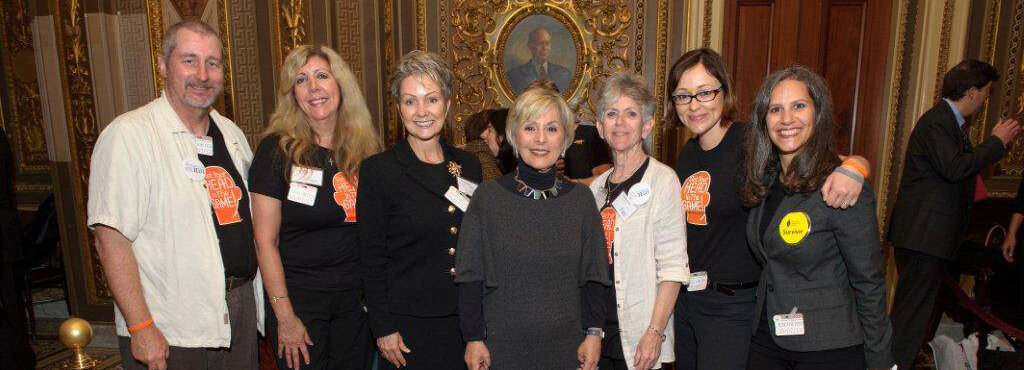
Brain tumor awareness: you are doing it wrong
As people passionate about brain tumors, we can shout about the existence of brain tumors until we are blue in the face, but without follow-up actions an “awareness” campaign falls flat and leaves patients and families feeling hopeless.

I can do a push-up: Hitting a fitness milestone
If life is short, and if my tumor grows back, it is worth having made myself as strong as possible before I start treatment again. It is worth feeling good in my own skin, especially if I only have a short time in this skin.
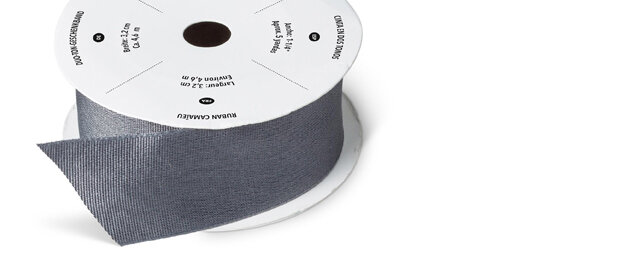
Zero shades of gray: Who's to blame for lack of brain cancer awareness? (CureToday.com)
Can you imagine Kitchen Aid selling a $350.00 Artisan Series stand mixer for our cause? Delta Airlines inspiring research dollars for painting an airbus gray? An NFL referee drawing attention to the disease by dropping a gray flag? Because I can't. Even brain tumor nonprofits don't even bother asking us to wear gray during fundraising walks and events.
Open thread: What does "supporting a cure" for brain cancer look like to you?
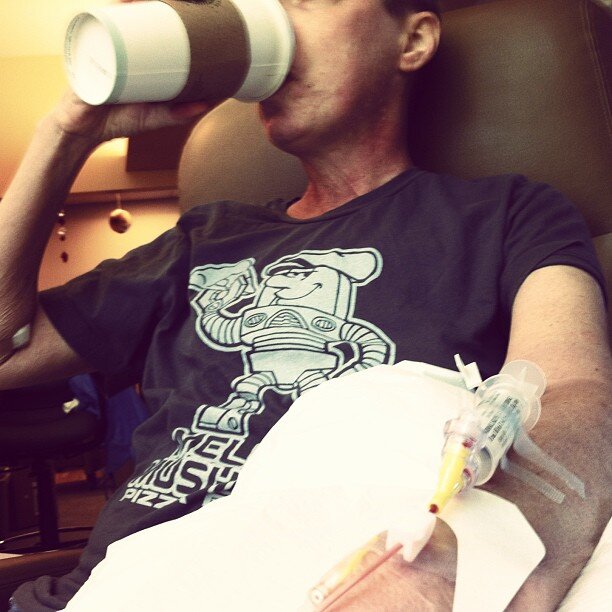
To me "supporting a cure" is being an advocate with the National Brain Tumor Society. I enjoy public policy and am a fan of the West Wing (which qualifies me to talk to Congress) (not really), so being an advocate is how I am supporting a cure.

What would you say to the most influential people in the brain tumor community?
I am struggling with what I should say. I don't want to preach to the choir. They already know we need more money for research. They know oral forms of chemotherapy aren't equally covered by all health insurers. They know there are more than 130 different kinds of brain tumors and that brain cancer is the #1 cancer killer in children.

Braces and brain scans: straightening your teeth with brain cancer
Us MRI Elite are told to complete a form asking about all metallic objects that may be hidden in and around our body before we have each scan. There are about 30 standard questions, including: Do you wear a pacemaker? Do you have a shunt? Do you have any metal plates or screws in your body? Do you have any metal fragments in your eyes? Have you ever worked with metal objects? Have you ever attended a Slayer concert? (Not really, but imagine that!)
Neuropsychological testing
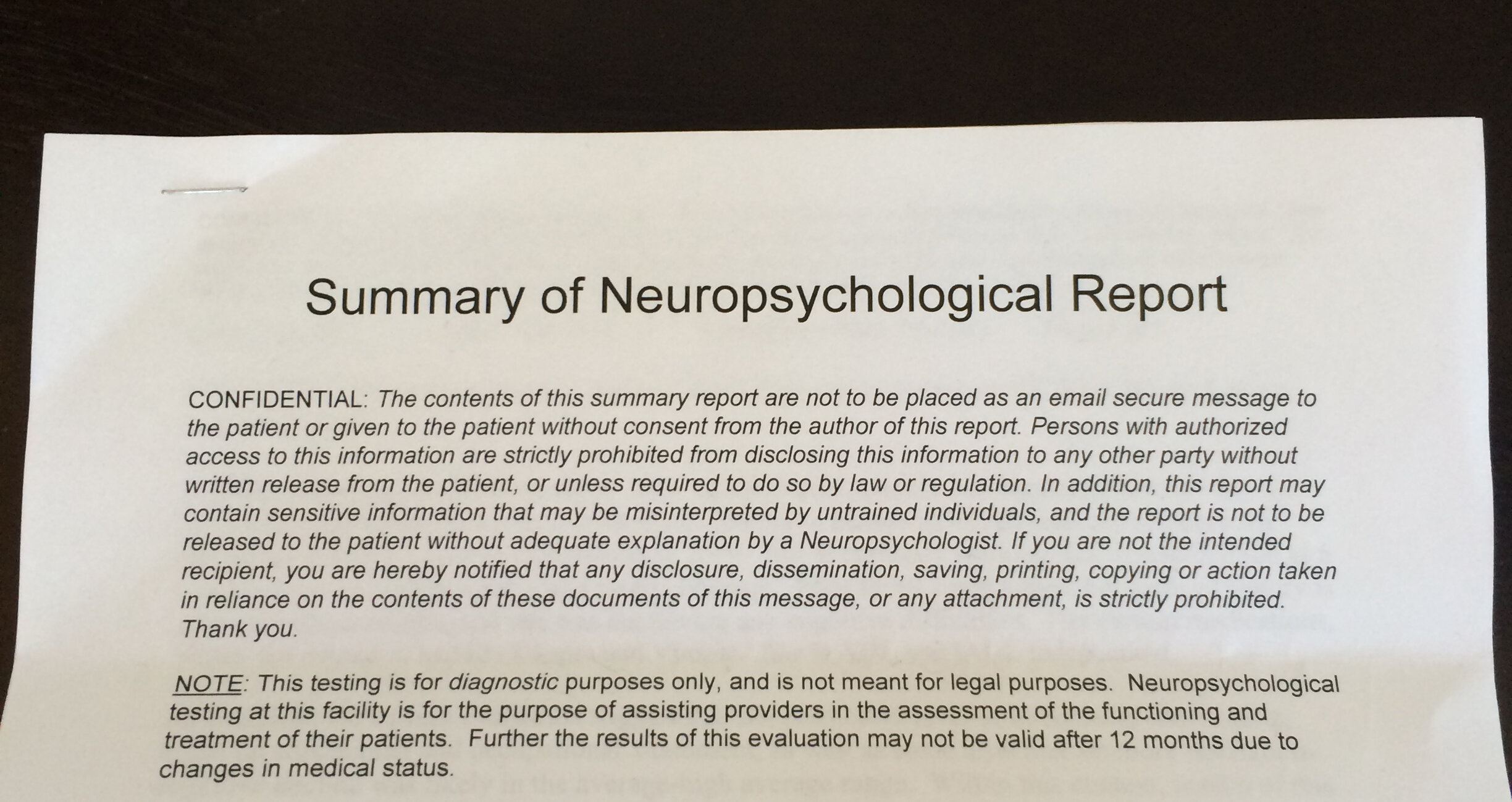
Neuropsychological testing can help doctors find out how damage to your brain may be affecting your ability to reason, concentrate, solve problems, or remember. A doctor may suggest this type of testing if you have a disease that can damage the brain, such as Alzheimer's, multiple sclerosis, dementia, Parkinson's or a brain tumor.