The Liz Army:
A blog
Patient. Patient advocate. Researcher. Student.
There are more than 500 posts here. Use this search to look for something specific. Good luck!
A note about my oldest posts: I began blogging about brain cancer in 2008, at age 29. I had no background or knowledge about healthcare when I started. Please excuse typos and other misconceptions. What you read here is me in real time, like a time capsule.
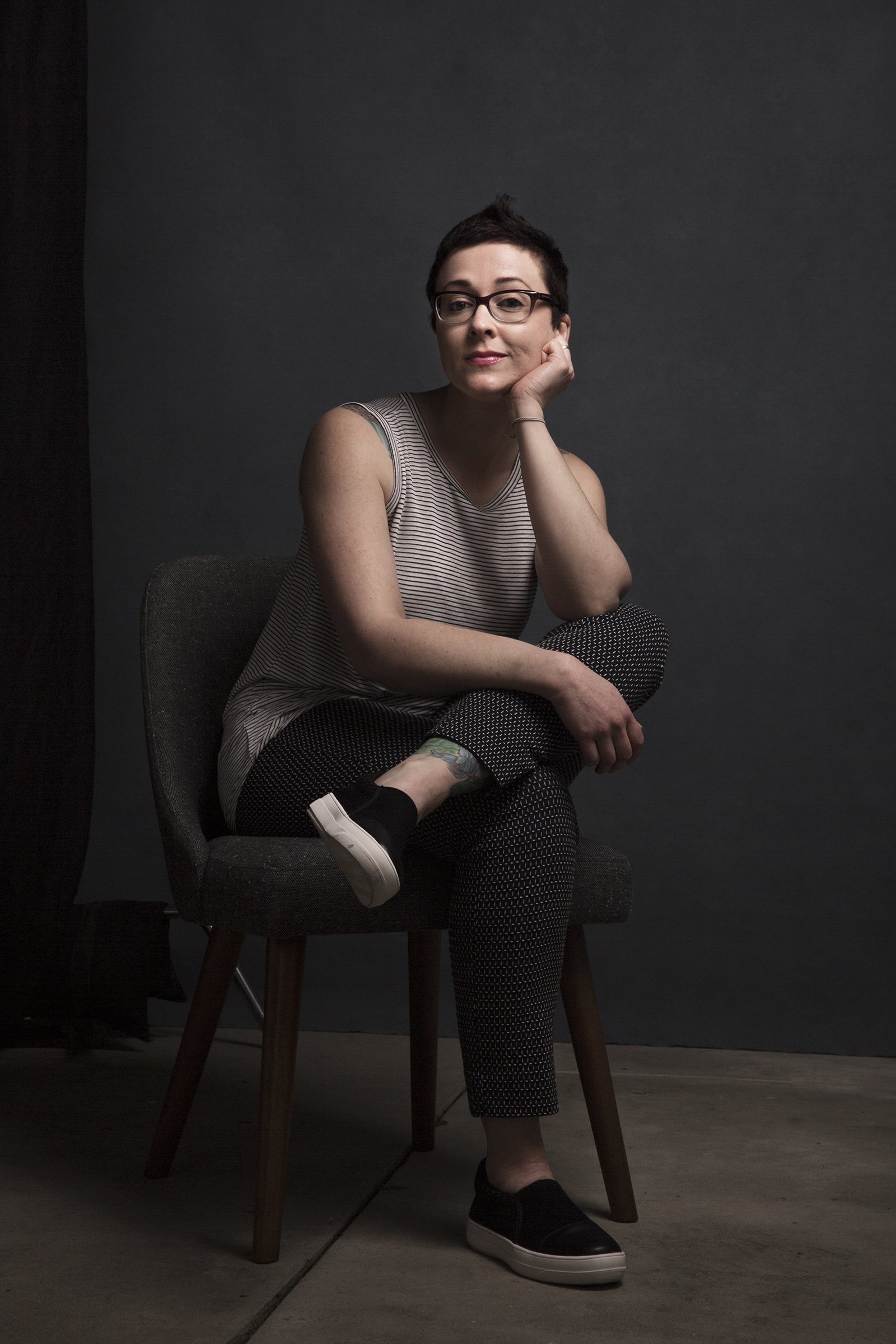
Flashback: A play-by-play of my life in 2017
As I transfer a terabyte of data from my OpenNotes (work) laptop to my new (school) laptop, I'm running across fragments of unpublished blog posts about my life between 2017 and 2026. Here's a post I never shared, outlining my whirlwind new life after I quit my job to join the full-time world of patient-partnered research.

Dear everyone with an oligoastrocytoma: Your diagnosis just changed
As more and more pathologists and doctors begin treating patients based on the genome of their tumor it only makes sense for the WHO to update their classification of CNS tumors. Because science.

David, Part 1: When your brain tumor friend starts hospice
That was the weirdest fucking goodbye of my entire life.

Permission to live: Advocacy burnout
A few months ago I started to wonder if I should be doing all these things I am doing in the brain tumor community. Through this work I am fighting and fighting and fighting. I have been fighting since July 2008, and all of this fighting has taken a toll.

My world is on fire
I was angry about people who are angry about the lack of "awareness" for brain tumors. I get angry that people think our disease is slighted for some reason. The truth is, there are things you can do and you just need to get out there and do something. Let me know if I need to write another tutorial.

Emily Morrison
“Whatever you're doing today… Take a minute for me,” she wrote. “Now put you’re heart in it and do it better.”

Epic adventure awaits
And if my next MRI shows tumor growth I can say, "Well, I am sure glad I took that crazy trip to Japan."
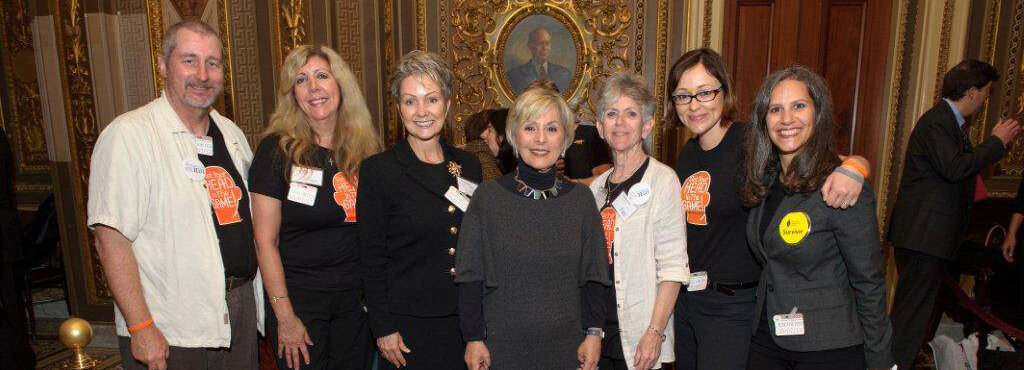
Brain tumor awareness: you are doing it wrong
As people passionate about brain tumors, we can shout about the existence of brain tumors until we are blue in the face, but without follow-up actions an “awareness” campaign falls flat and leaves patients and families feeling hopeless.
Open thread: What does "supporting a cure" for brain cancer look like to you?
To me "supporting a cure" is being an advocate with the National Brain Tumor Society. I enjoy public policy and am a fan of the West Wing (which qualifies me to talk to Congress) (not really), so being an advocate is how I am supporting a cure.